
Insights
Perspectives for Modern Practices
Practical thinking on security, operations, and AI for professional firms — from the Rival Practice team.

How AI Answer Engines Rank Law and Tax Firms in 2026
AI answer engines rank law and tax firms by combining entity clarity, structured data, cited authority, and topical depth — the four levers that decide whether your firm gets named in an AI answer.
Read article →
The AEO Schema Stack for Law and Tax Firms
The AEO schema stack is a layered set of JSON-LD types — Organization, LegalService or AccountingService, Attorney, FAQPage, and Review — that make a professional firm machine-readable and citeable by every major AI answer engine.
Read article →
The 24/7 AI Receptionist: What It Actually Does for Law and Tax Firms
A 24/7 AI receptionist answers inbound calls, qualifies callers against your firm's intake criteria, books consults directly into your calendar, and drops a full call summary with sentiment into your CRM — with no missed calls and no after-hours voicemail.
Read article →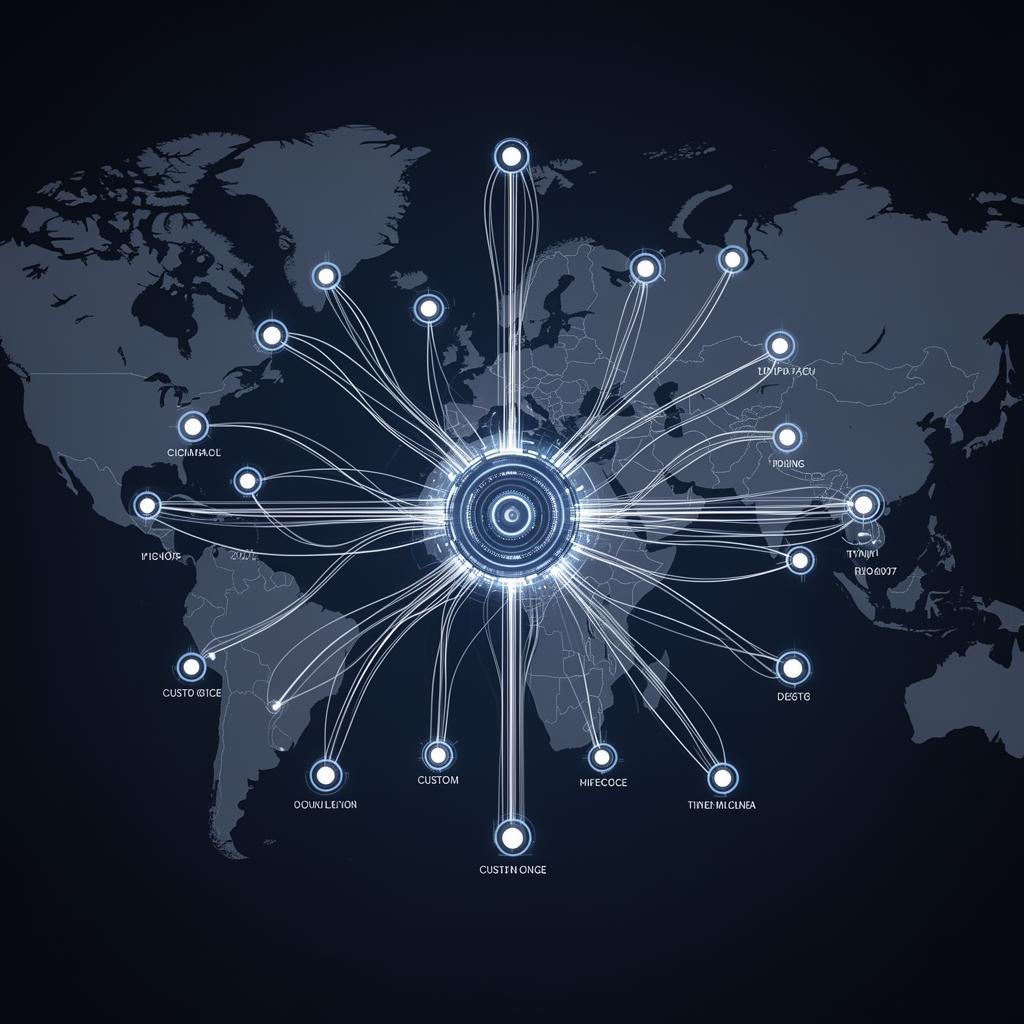
Automating Custom Subdomain Provisioning Across Legal Practice Networks
Multi-tenant legal platforms automate custom domain routing by integrating serverless provisioning loops with cloud DNS APIs that bind tenant domains to edge deployments and return SSL verification records instantly.
Read article →
The Death of Email Attachments: How Authenticated Client Portals Eradicate Phishing Vectors
Authenticated client portals eliminate email phishing vectors, spoofing, and credential harvesting by routing support traffic through secure JSON API endpoints directly into encrypted, audited database tables.
Read article →
Scaling Legal SaaS Networks: Transitioning Safely from Cloudflare D1 to Neon Postgres
When a firm's serverless database nears the 1 TB account ceiling, an automated migration engine provisions a dedicated Neon Postgres instance, recasts data primitives, and routes queries through regional Hyperdrive caches.
Read article →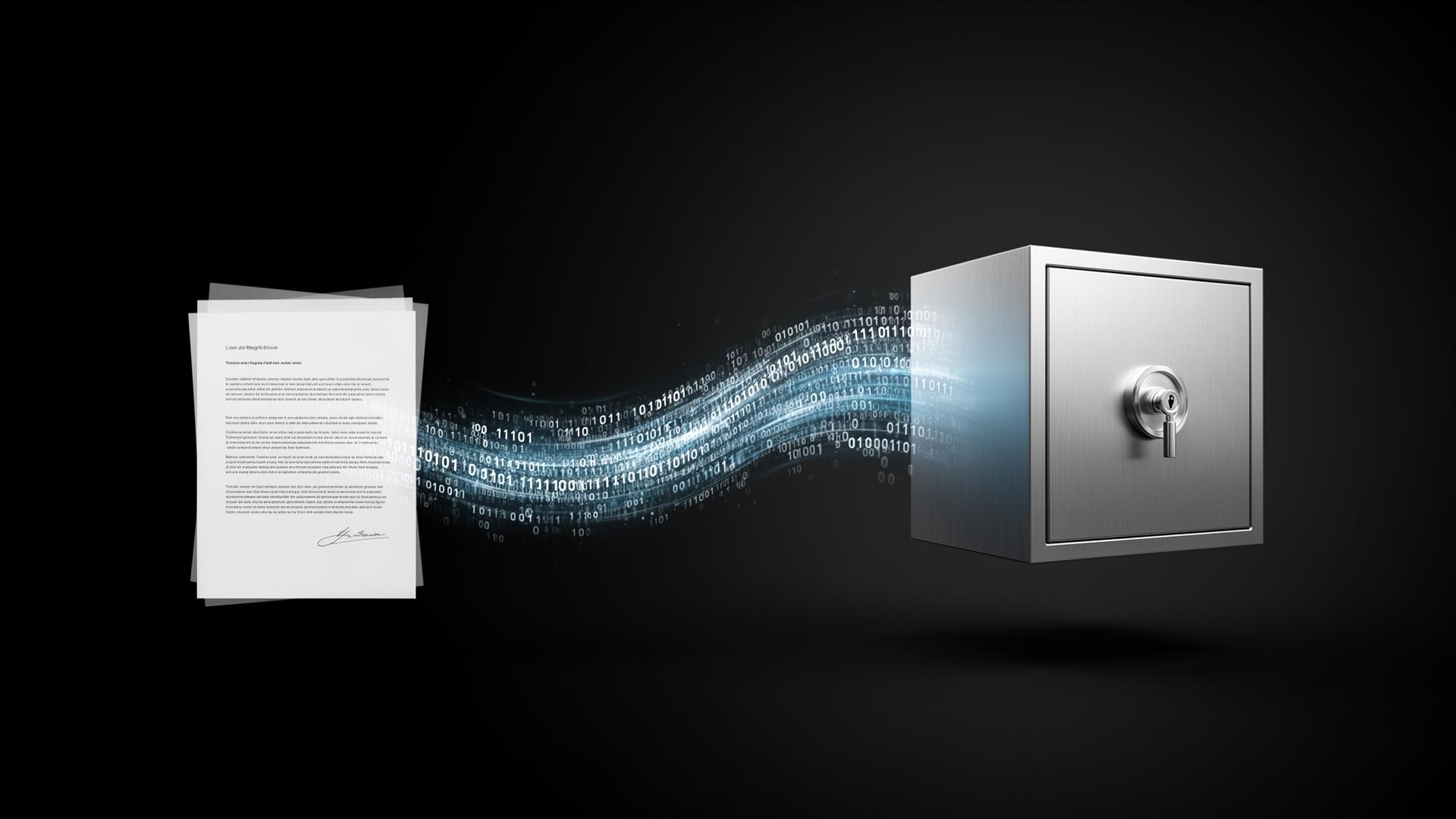
How to Build IRS Publication 4557 Compliant Document Upload Vaults
IRS Publication 4557 and FTC Safeguards Rule compliant document vaults require decoupled serverless ingestion, AES-256 encryption at rest, write-block protection, and immutable audit ledgers.
Read article →
Preventing Legal AI Data Leaks: How Single-Tenant Databases Isolate LLM Vectors
Legal AI data leaks are prevented through autonomous background workers, database-driven feature flags, and tenant-scoped vector index partitions that keep client context out of public training models.
Read article →
Why Is a Shared Database a Legal Security Risk, and How Does Single-Tenant Data Isolation Solve It?
Single-tenant database isolation eliminates cross-firm leakage, lateral exploits, and noisy-neighbor risk that multi-tenant CMS platforms expose legal practices to.
Read article →